

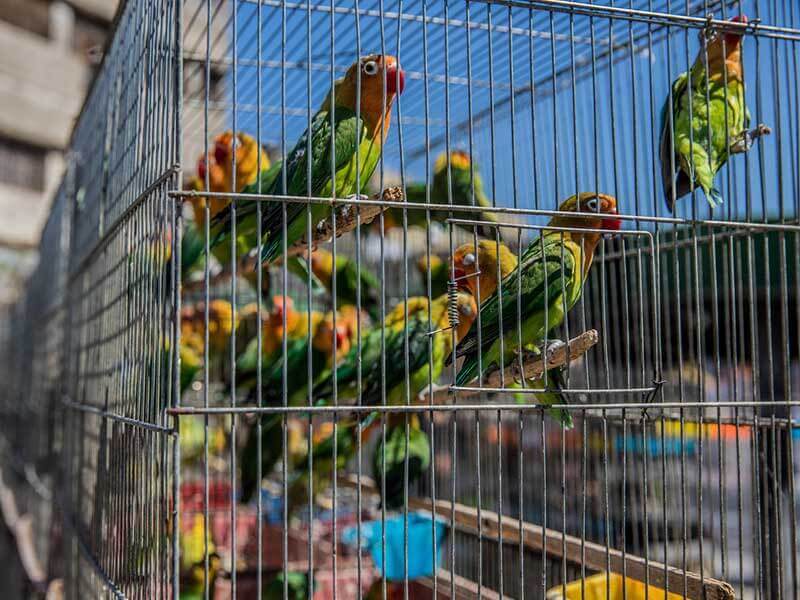
If you plan to import an animal into the US, you may need to quarantine it in a USDA animal import center before it’s released. These locations are few and far between, so knowing if you’ll need to quarantine your imported animal ahead of time is paramount to ensuring trouble-free customs clearance.
Key Takeaways
- Animal import centers in the US are administered by the USDA’s Animal and Plant Health Inspection Service (APHIS).
- These centers are located in Miami, Florida and Rock Tavern, New York.
- Animals that may require quarantine include birds, horses, swine, and certain species of hoofed mammals.
- If you plan to import a cat or dog that requires quarantine, you’ll need to reserve space at a Centers for Disease Control (CDC) registered facility rather than an APHIS import center.
Find out if your imported animals require quarantine at an APHIS facility and learn about the regulations that govern that decision in this article.

USDA Animal Import Requirements
As previously mentioned, the APHIS division of the USDA is tasked with executing quarantine procedures and issuing permits for certain animals imported into the US.
In most cases, the minimum requirements for bringing these animals into the states are:
- An import permit from the USDA
- A veterinary export health certificate
- Inspection at the animal’s port of arrival
- A quarantine period
- Adherence to regulations from state and local agencies
Quarantine times range from three to 60 days depending on the species of the animal and its country of origin. Animal species will also play a part in deciding which of the two facilities you’ll need to choose, as the Miami facility can’t quarantine as many species as New York’s can.
If your imported animal must be quarantined at an APHIS facility before release, you’ll need to have some specific information prepared prior to the process. Failure to prepare adequately can lead to significant delays and even refusal of your animal at port.
Related: Do I Need a USDA Import Permit For Plants?
Your Pre-Arrival Checklist
When you’re applying for a USDA animal import permit, make sure you have the following information handy first:
- The species of your animal, its breed, and the amount you plan to import
- A description of the animal(s) including age, gender, and other identifying information
- The route your import will take, from initial export to port of arrival in the US and all subsequent stops by the carrier
- Your contact information including mailing address, phone number, and address
- The facility at which your animal(s) will undergo quarantine.
Let’s take a closer look at that last point, as you do have some options available depending on the type of animal you’re importing.
Related: Importing Goods Into the USA
USDA Animal Import Center Locations
There are two animal import facilities in the United States administered by USDA via APHIS. One is located in Miami, FL, and the second in Rock Tavern, NY. Before you simply choose the most convenient center for you to reach based on distance, it’s important to keep in mind that the facilities aren’t exactly the same, with one center being limited to commercial and pet bird imports.
Miami, Florida
APHIS’s Miami Animal Import Center (MAIC) is dedicated to the importation and quarantine of avian species. They handle import quarantine for pet birds, including:
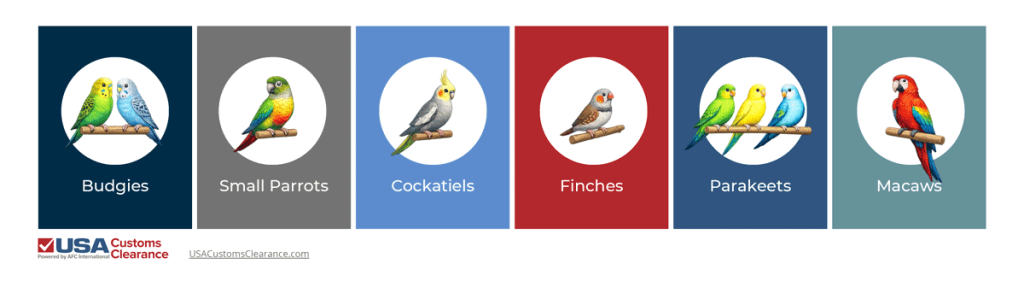
Additionally, the facility has rooms dedicated to commercial shipments. APHIS specifically designates the following species for commercial quarantine, though the list is not exhaustive:
- Canaries
- Pigeons (columbiforms)
- Specific types of poultry
- Peacocks
- Waterfowl such as ducks and geese
The facility is located near PortMiami, and within proximity of Foreign Trade Zone (FTZ) 281.
If you plan to import a non-avian animal heavily regulated by APHIS, you’ll need to quarantine them at the New York facility instead.
Rock Tavern, New York
Farther north, the New York Animal Import Center (NYAIC) is set up to handle a wider array of species than its Miami equivalent. The center spans over 50 acres and multiple buildings.
Birds and poultry can also be quarantined at the NYAIC, along with several other species, including:
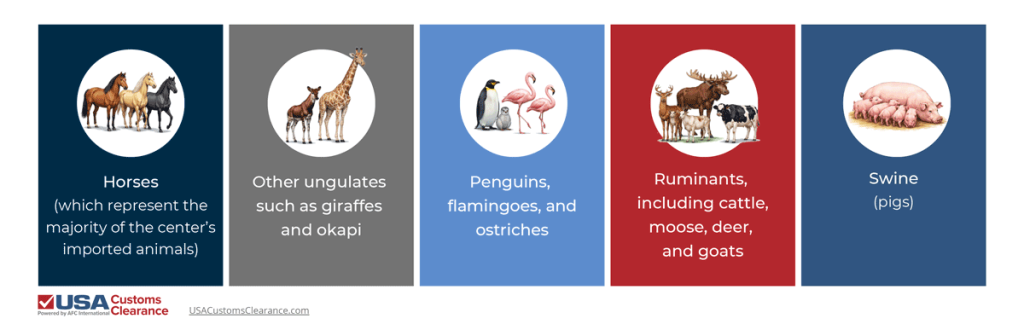
This center is located near JFK International Airport and FTZ 49.
Staff at both centers are trained to minimize the possibility of spreading any potential communicable diseases while animals are in their care. You may have noticed that two common types of animals aren’t mentioned by either facility: cats and dogs. When quarantine is required for an imported pet such as this, you’ll need to reserve space at a care facility approved by the Centers for Disease Control (CDC).
Consultation Services From USA Customs Clearance
Our Licensed Customs Brokers can provide expert consultations about the fundamentals of importing. If you’d like to set up a consultation, call us at (855) 912-0406 or sign up for one online today!

 Copy URL to Clipboard

Did you find this article helpful?
See more of our coverage on Google.
Add usacustomsclearance.com as a preferred source!

Add usacustomclearance.com as a preferred source!
See more of our coverage in Google's Top Stories.

Add your first comment to this post